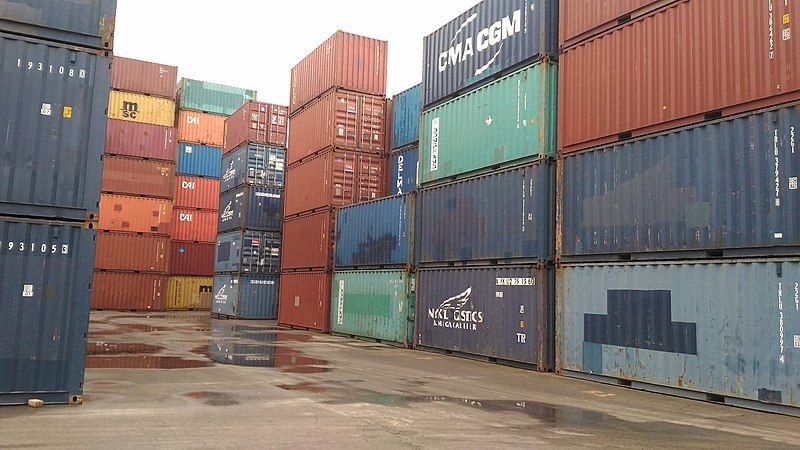
Indonesia's main ports went through one of their most visible congestion episodes in recent years in the second quarter of 2024 — not because of a lack of quay or yard capacity, but because of import paperwork. By mid-May, tens of thousands of import containers were sitting at Tanjung Priok in Jakarta and Tanjung Perak in Surabaya, unable to be cleared because consignees lacked the licences required under the new import rules. The government's answer was Minister of Trade Regulation (Permendag) No. 8 of 2024, which was promulgated and took effect on 17 May 2024.
How the backlog built up
The root cause was Permendag 36/2023 on Import Policy and Arrangements, which entered into force on 10 March 2024, 90 days after its promulgation, and was amended before and after that date. Among other changes, it moved supervision for a long list of consumer goods — including footwear, electronics, ready-made clothing and accessories, cosmetics, traditional medicines, bicycles and bags — from post-border back to the border. That meant requirements had to be satisfied inside the customs area before goods could be released. For many tariff lines, importers needed an import approval (Persetujuan Impor, PI) and, in some cases, a technical consideration (Pertimbangan Teknis, Pertek) from the relevant ministry.
When those documents were slow to arrive, cargo stayed in the terminals. On 17 May 2024, Coordinating Minister for Economic Affairs Airlangga Hartarto, who was also acting Minister of Trade at the time, said 26,415 containers were being held: 17,304 at Tanjung Priok and 9,111 at Tanjung Perak. The cargo included iron and steel, textiles and textile products, chemicals and electronics, much of it inputs for domestic manufacturers.
What Permendag 8/2024 changed
The revision relaxed requirements for seven commodity groups by returning them to the regime of the earlier Permendag 25/2022. For traditional medicines and food supplements, cosmetics and household supplies, bags, and valves, a surveyor's report (Laporan Surveyor) became sufficient without a PI. For electronics, footwear, and ready-made clothing and accessories, the Pertek requirement was removed. Crucially, goods that had arrived since 10 March 2024 could be settled under the new rules.
The effect was rapid. The Directorate General of Customs and Excise (DJBC) reported on 3 June 2024 that 95% of the more than 26,000 held containers at the two ports had been released within roughly two weeks, helped by round-the-clock service, help desks and a monitoring dashboard. DJBC noted, however, that some cargo still faced rejection and possible re-export — for example, goods subject to prohibitions and restrictions (lartas), goods not meeting Indonesian National Standards (SNI), unclaimed goods, or shipments still lacking the required approvals. As of 2 June, around 8,900 newly arrived containers at Tanjung Priok and 2,400 at Tanjung Perak were being processed under the new service-level commitments, with yard occupancy described as within a normal range.
What it means for importers
- Check HS codes against the current lartas requirements before shipment; the rules for a given product can change between regulatory revisions.
- Secure PI, Pertek or surveyor reports before the vessel sails, not after arrival, to avoid storage and demurrage costs at the terminal.
- Verify SNI obligations, since non-compliance can lead to rejection even when licences are in order.
- Follow official channels of the Ministry of Trade and DJBC closely, as import rules were revised several times within a few months.
The episode showed how quickly a regulatory change can turn into physical congestion at the port, and why document readiness matters as much as vessel space in Indonesian import logistics.