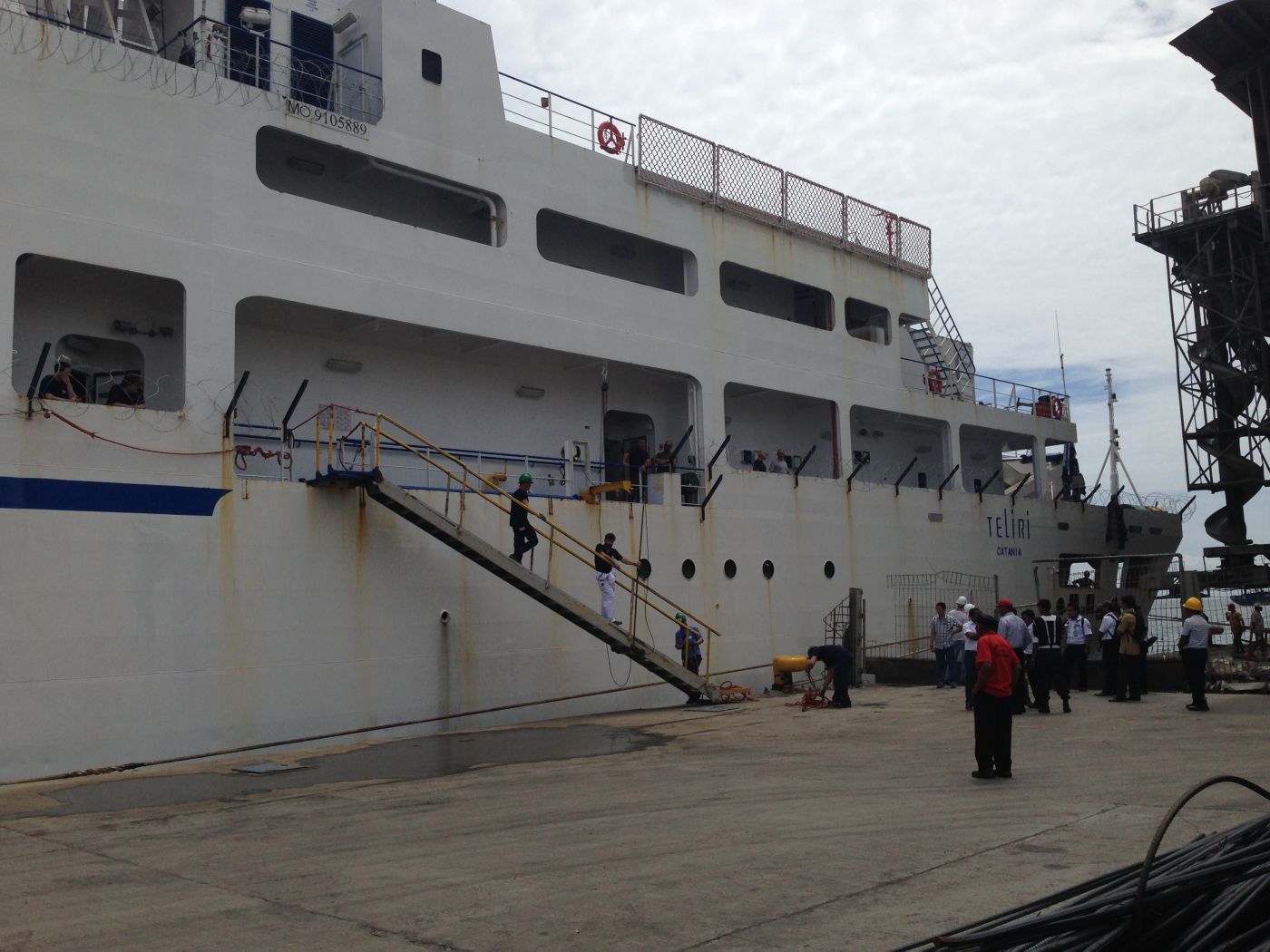
For three days in early October 2024, container traffic on the entire US East and Gulf Coasts came to a halt. On 1 October, the International Longshoremen's Association (ILA) launched a strike by around 45,000 dockworkers at 36 ports from Maine to Texas after its master contract with the United States Maritime Alliance (USMX), the employers' group, expired. It was the union's first major coast-wide stoppage since 1977. Late on 3 October, the two sides announced a tentative agreement on wages, and terminals began reopening on 4 October.
What was agreed — and what was not
According to sources cited by Reuters, the tentative deal includes a wage increase of around 62% over six years, lifting average hourly pay from about USD 39 to about USD 63. However, the agreement did not settle every issue. The existing master contract was extended only to 15 January 2025 to allow further bargaining, with port automation the most contentious unresolved point. The ILA's leadership had made clear it wanted firm language ruling out automation and semi-automation at terminals.
A short strike with a long tail
Even a brief stoppage creates a backlog that takes far longer to clear. During the strike, at least 54 container ships were waiting outside the affected ports, according to Everstream Analytics, and Xeneta reported more than 50 vessels waiting to discharge with around 100 more on the way. Xeneta estimated that cargo flows would take two to three weeks to normalise. Analysts at JP Morgan put the cost to the US economy at about USD 5 billion per day.
Port authorities staggered their reopening. Georgia Ports Authority and North Carolina Ports resumed operations on 4 October, Port Houston reopened its Bayport and Barbours Cut terminals with reduced gate hours and said it would not charge carriers storage for the days gates were closed, while some terminals at the Port of New York and New Jersey stayed closed on 4 October and restarted vessel work the following night.
Why it matters for Asian shippers
The disruption hit in the middle of the peak shipping season for year-end retail goods. Cargo from Asia routed to the US East and Gulf Coasts — whether via Suez, the Cape of Good Hope or the Panama Canal — faced delays at destination, and vessel bunching on arrival can ripple back into equipment shortages and blank sailings on Asian loading ports. The 15 January deadline also meant shippers had to plan for the possibility of renewed action in early 2025.
What it means for shippers
- Track vessel arrivals and terminal advisories for US East and Gulf Coast cargo, as discharge sequencing after a strike can differ from the original schedule.
- Check contract terms on demurrage, detention and storage; some ports announced relief for closure days, but charges vary by terminal and carrier.
- Consider routing alternatives for time-sensitive cargo, such as US West Coast gateways with rail connections, while weighing cost and capacity.
- Build contingency into early-2025 plans until a final master contract is ratified.
The strike was resolved quickly, but it showed how labour negotiations at a single coastline can affect supply chains far beyond it — including exporters in Southeast Asia.