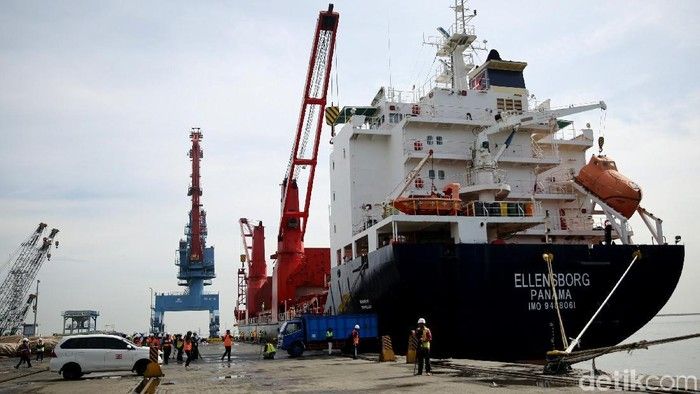
The Panama Canal spent the second quarter of 2023 managing what its operator, the Panama Canal Authority (ACP), described as the worst drought in a century. Rainfall in the canal watershed during the first five months of the year was 47% below historic norms, leaving Gatun Lake, the reservoir that feeds the locks, well below its usual level. The response has been a sequence of draft limits and, by late June, a cut in the number of ships allowed through each day.
Draft limits tighten step by step
Until the spring, the maximum permitted draft in the Neopanamax locks was 50 feet. As water levels fell, the ACP lowered it in stages to 44 feet, and further reductions were announced: 43.5 feet from 25 June and lower limits scheduled for July, while the older Panamax locks were set to fall to 39 feet from 9 July. Container ships are the vessels most affected, because they typically load deepest; LNG carriers, with shallower drafts, have so far been able to keep transiting.
Late in June, rain brought partial relief. Citing favourable weather in the watershed, the ACP postponed the reduction planned for 25 June and kept existing drafts in place until further notice. Instead, it reduced daily transits through the original Panamax locks to 30 to 32 ships, down from 34 to 36. Each ship passing through one set of these locks uses more than 50 million gallons of fresh water, which, unlike in the newer locks, is not recycled.
Why a water problem becomes a freight problem
A shallower draft means a ship must carry less cargo to pass safely. For container lines, that translates into fewer boxes per sailing on the busy Asia to US East Coast and Gulf trades, or extra cost to shift cargo by other means. Some carriers have already offloaded containers on the Pacific side and moved them across the isthmus by the Panama Canal Railway to rejoin ships on the Atlantic side. Fewer daily transits also create a risk of waiting times for vessels without booked slots.
The structural picture is not reassuring. According to the ACP, severe droughts that once came about every five years now occur roughly every three, and the previous serious episode was in 2019 and 2020. The authority is accelerating plans to bring additional rivers into the watershed at a cost of more than USD 2 billion, but such projects take years.
What it means for shippers
- Check your routing. Cargo moving between Asia and the US East Coast or Gulf, or between the Americas, may be affected even if it never touches Indonesia directly, for example through transhipment or longer alternative routes.
- Expect surcharges and schedule changes. Draft limits reduce payload per vessel, and carriers may pass on the cost or adjust rotations at short notice.
- Allow more buffer. Executives have pointed to a lead time of around three weeks between loading and arrival at the canal, so today's decisions affect shipments already at sea.
- Follow official advisories. The ACP publishes regular notices on drafts and transits; these are the most reliable early signal for the months ahead, as the dry season and El Niño conditions could bring further restrictions.